Eco-Friendly Clubs
Eco-Friendly Clubs
Strengthening Environmental Stewardship, Food Security, and Quality of Life in Nepal
Nepal—home to extraordinary biodiversity and fragile ecosystems—is witnessing accelerating environmental pressures ranging from deforestation and unmanaged waste to soil erosion and the growing effects of climate change. These challenges directly threaten community well-being, food security, and long-term sustainability. In response, a network of Eco-Friendly Clubs has been launched across Government and Don Bosco Schools, empowering young people to take concrete environmental action and influence their communities.
The Eco-Friendly Clubs serve as a dynamic platform for environmental learning, hands-on conservation activities, and community engagement. Designed to build long-term ecological responsibility, these clubs are fostering a new generation of environmentally conscious youth who actively contribute to local and national sustainability goals.
Go Green Rally: A Case Study from Morning Star School
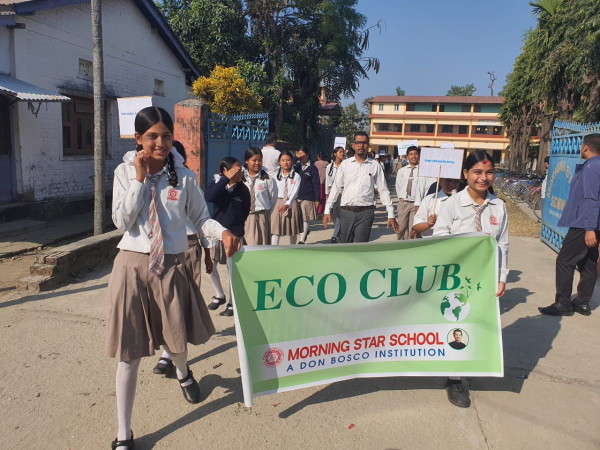
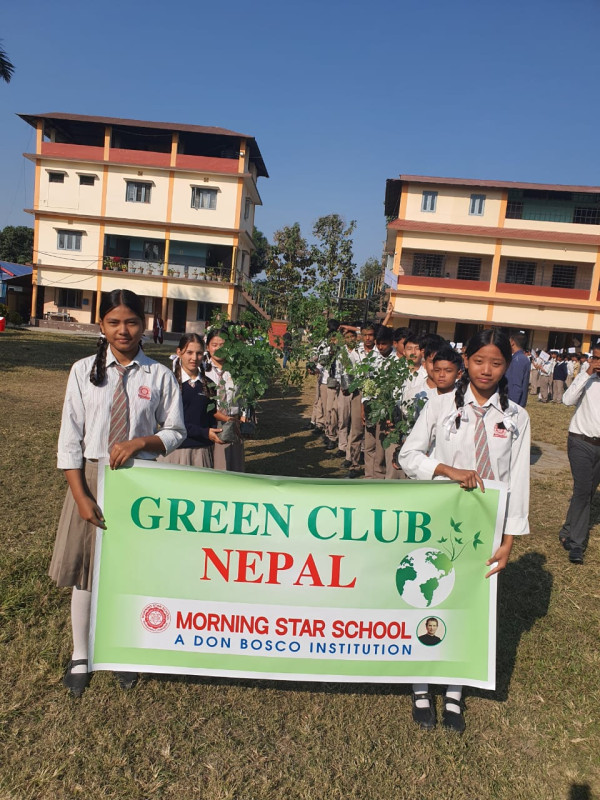
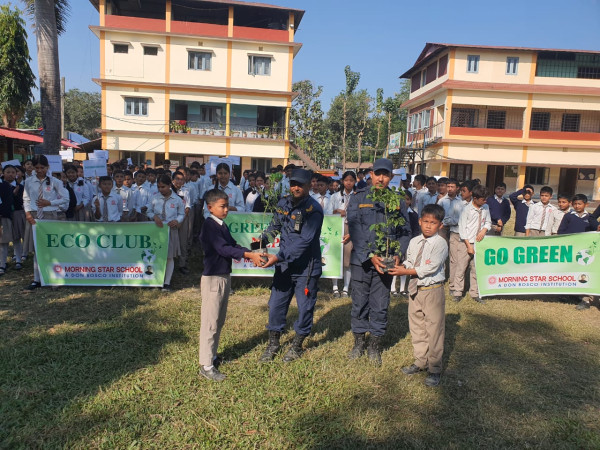
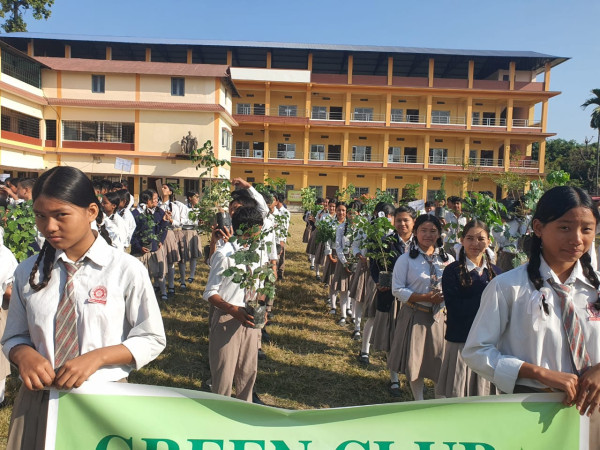
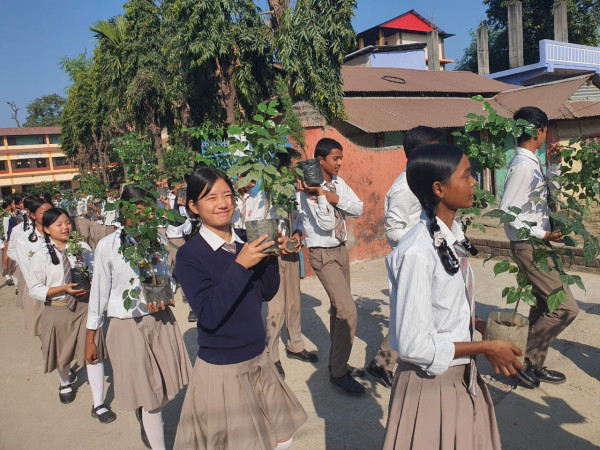
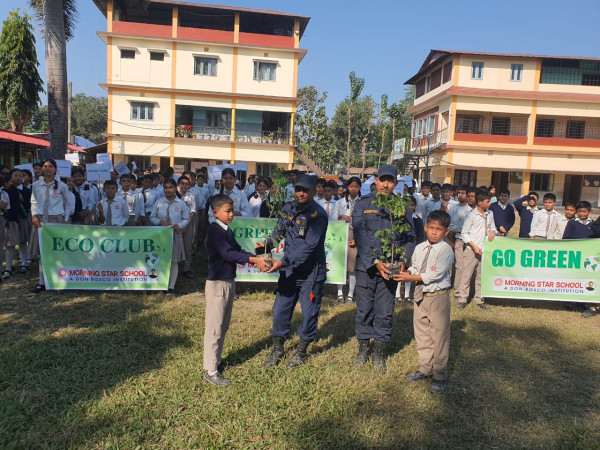
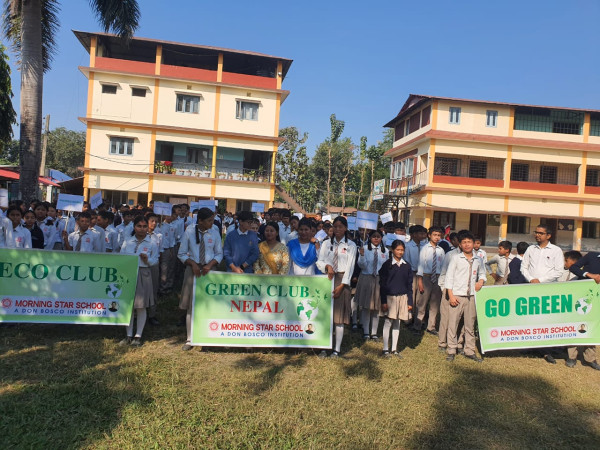
Morning Star School demonstrated the impact of youth-led eco initiatives through a vibrant Go Green Rally, organized under its Green Club program. The rally brought together students, teachers, and local stakeholders in a united effort to promote environmental awareness.
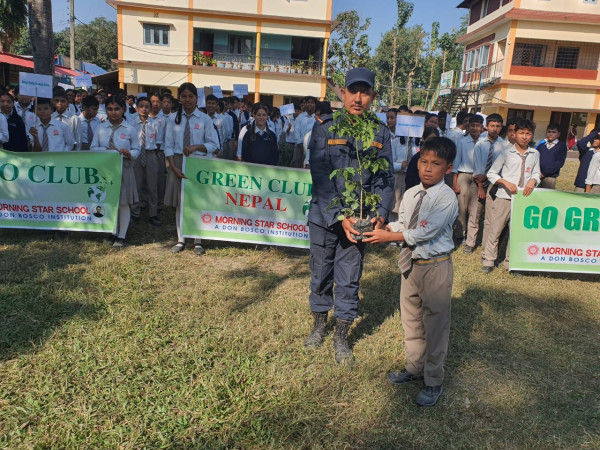
Flagged off by local police personnel—whose presence added both credibility and encouragement—the event saw participation from students across all grade levels. With placards, chants, and interactive outreach, the rally highlighted key themes such as reducing plastic waste, conserving natural resources, and protecting tree cover to safeguard Nepal’s environmental future.
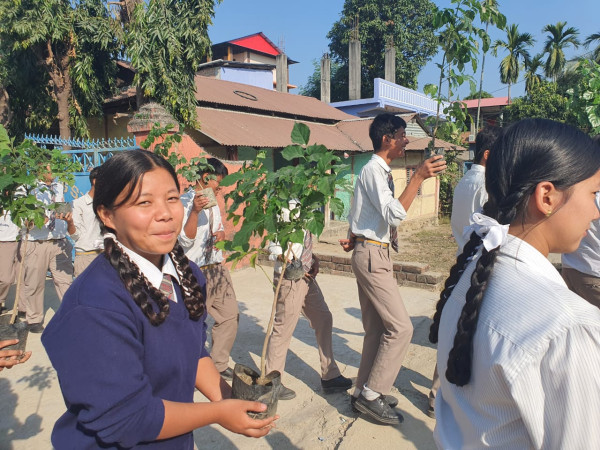
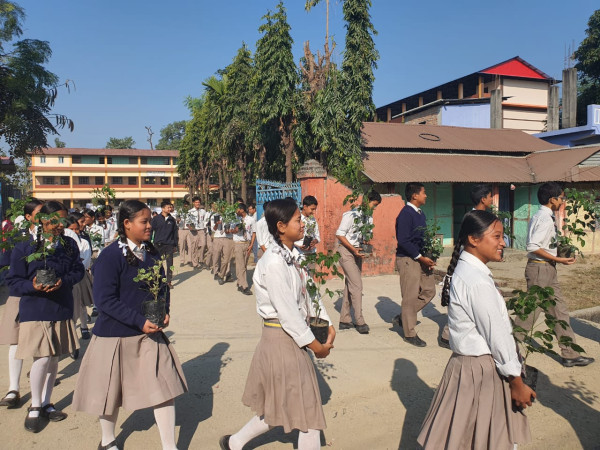
Students engaged actively with community members along the route, urging households to adopt sustainable daily habits. Their visible enthusiasm helped capture public attention and reinforced the urgency of environmental action.
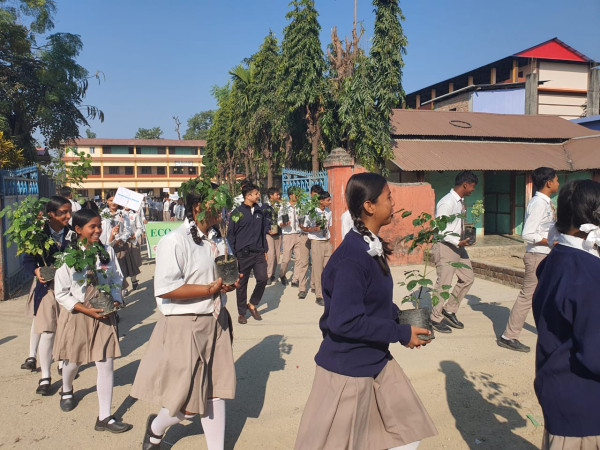
A notable component of the rally was the distribution of tree saplings to nearby families. This gesture encouraged residents to contribute to greening their own surroundings. Simultaneously, students planted saplings on the school campus, reflecting their personal ownership and long-term commitment to environmental restoration.
The initiative strengthened students’ understanding of ecological stewardship while emphasizing the collective responsibility shared by families, schools, and communities. Morning Star School has expressed continued commitment to organizing such programs to nurture responsible, environmentally aware citizens.
Objectives of the Eco-Friendly Clubs
The Eco-Friendly Clubs follow a holistic, action-oriented model aligned with environmental sustainability, youth leadership, and community impact. Their core objectives include:
1. Raising Environmental Awareness
Delivering interactive workshops, campaigns, and learning sessions on climate change, pollution, deforestation, biodiversity loss, and sustainable lifestyle practices.
2. Promoting Afforestation and Reforestation
Organizing tree plantation programs within school grounds and nearby communities to increase green cover and reduce the impacts of soil erosion and carbon emissions.
3. Implementing Effective Waste Management Systems
Introducing segregation practices, composting units, recycling drives, and awareness campaigns to reduce school and community waste.
4. Supporting Organic Farming & School Gardens
Establishing school-based organic gardens that provide fresh produce, strengthen food security, and deepen students’ understanding of eco-friendly agriculture.
5. Advancing Water Conservation Practices
Promoting water-saving behaviors, rainwater harvesting models, and community sensitization on responsible water use.
6. Strengthening Community Outreach
Extending environmental activities beyond the school through collaboration with local authorities, environmental groups, and parent networks.
7. Building Leadership and Environmental Responsibility
Empowering students to lead environmental campaigns, develop decision-making skills, and take ownership of environmental challenges.
Conclusion
Eco-Friendly Clubs in Government and Don Bosco Schools are proving to be a transformative model for youth engagement in environmental protection. Their initiatives—such as the Morning Star School Go Green Rally—demonstrate how student-led actions can influence households, strengthen food security, and contribute to a healthier, more sustainable Nepal.
These clubs continue to grow as influential platforms that equip young people with the knowledge, skills, and motivation needed to drive environmental change at school, community, and national levels.